2025 Hall of Fame Inductees
Mr. Ainsworth Mohammed, C.M.
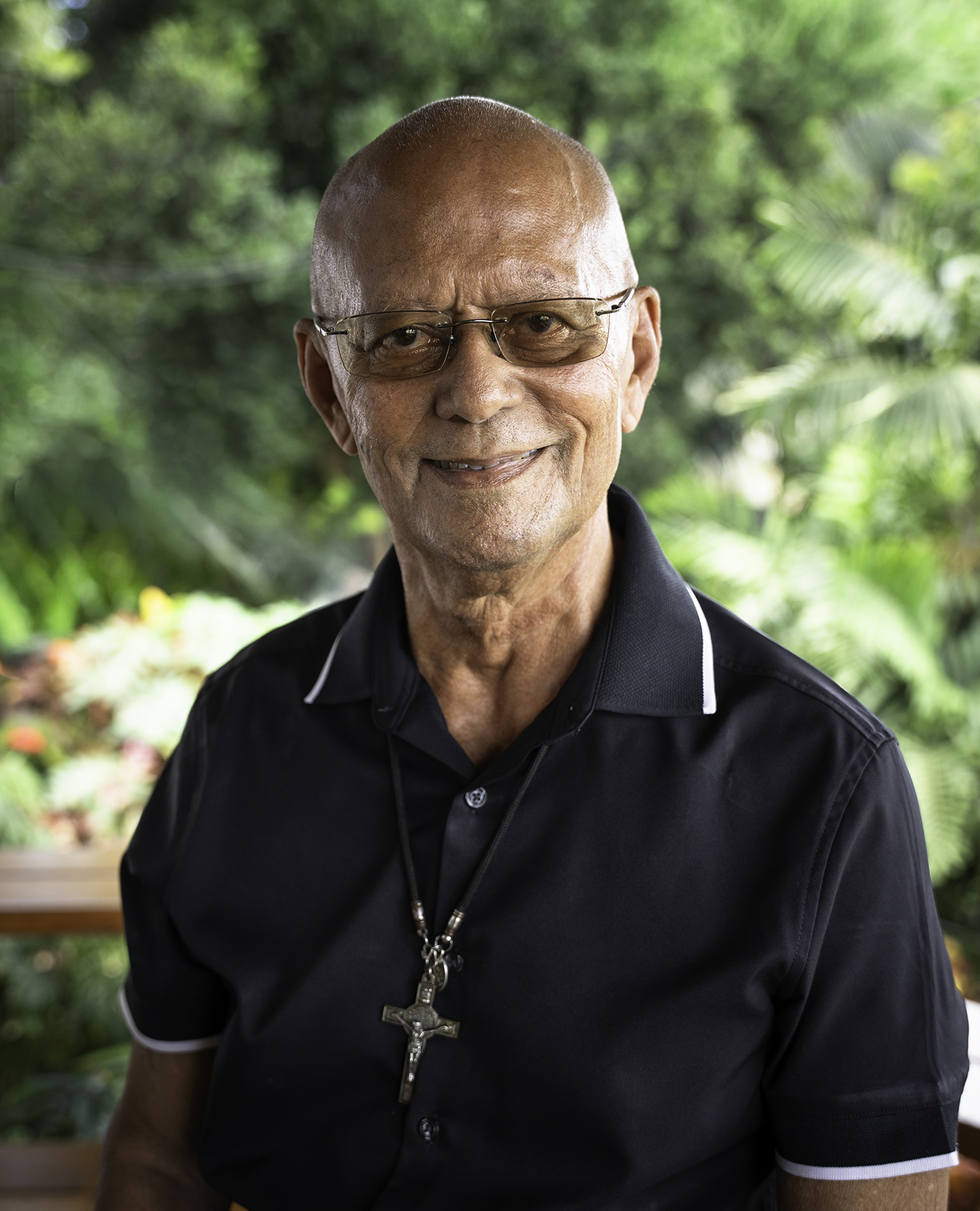
Ainsworth Mohammed began playing pan with his older brothers from the age of eight with Troubadours Steel Orchestra, which was located next to their home in Tunapuna. He attended St. Mary’s College from 1961 to 1967. He joined what was then Barclays Bank in a clerical position and rose to become a senior manager in its Foreign Exchange department and subsequently in commercial credit.
Ainsworth and his brothers played with Flamingoes Steel Orchestra. Dissatisfied with that band, they staged an ‘exodus’ of pannists from which Exodus Steel Orchestra was formed in 1981. Ainsworth and his brother Amin brought discipline, business acumen, and a strong work ethic to the business of steelband management, certain that that approach would lead to success not only in the Panorama competition but in the longevity and excellence of the band.
Exodus’ panyard is noted for its discipline and long hours of practice during the Carnival season leading up to the Panorama competition. Less appreciated is the tremendous managerial burdens which leaders must bear: sponsorship and fund-raising, securing arrangers, acquiring the instruments, scheduling tuners, liaising with event planners, and sustaining what is a voluntary organisation. While some steelband organisations have endured and thrived for decades, many have declined and disappeared. Moreover, steelband organisations outside of Port of Spain and San Fernando have additional burdens associated with their location and lack of salience in the popular imagination and hence lack of support. To overcome these difficulties and disabilities requires special talents which Ainsworth Mohammed has displayed in the rise of Exodus.
Panorama success first came in 1992. Ainsworth succeeded his brother as manager in 1999 and the successes continued. He led Exodus to four National Panorama victories in 2001, 2003, 2004, and again in 2025 after a twenty-one year hiatus. What is significant is that in the 30 years between 1995 and 2025, Exodus achieved a top three placing eighteen times, a remarkable record of consistency, reflecting Ainsworth’s excellent management skills. Ainsworth also guided Exodus to three National Steelband Music Festival wins in 1998, 2002 and 2005, two World Steelband Music Festival Championships, and triumphed at the Caribbean Panorama Championship in Grenada. In 2003, Exodus was awarded the Chaconia Gold Medal for its outstanding achievements.
On its premises on the Eastern Main Road in St Augustine, Ainsworth has transformed the traditional panyard into a well-organized and well-appointed pan amphitheatre.
Ainsworth has been an advocate for discipline, commitment, innovation and respect within the steelband community. He has emphasized the importance of structured rehearsals, championed fairness in Panorama prize distribution, and removed the traditional metal canopies to improve audio as well as the visual presentation of steelbands for television audiences.
In the sometimes- hyper-competitive world of steelband competition, Ainsworth Mohammed has built solid cooperative relationships within the pan fraternity. He has secured and maintained enduring sponsorship for the Exodus organisation which has been mutually beneficial.
Ainsworth has sought to safeguard the future of the national instrument by championing youth involvement in steelpan and has been a vocal advocate for youth enrichment through music. He founded Exocubs, a junior training programme for young musicians. He continues to mentor young people through Exodus’s music education initiatives ensuring that the band’s legacy and positive societal influence endure. His concern for the need for pannists to grow and develop led him to introduce the Pan Ramajay competition in 1989, which allows pannists to “play themselves”.
Ainsworth has a global vision for steelpan and aspires to have the national instrument recognized and celebrated throughout the world. He is a founding director of the International Steelband Foundation which seeks to produce major concert events within and beyond Trinidad and Tobago. He has also successfully guided Exodus on international tours and performances, including the 2007 ICC Cricket World Cup in Barbados, and planned high-profile tours to the Vatican, China, Japan, and Miami Carnival.
In September 2023, Ainsworth was awarded the Chaconia Medal Silver, in recognition of his cultural service and contributions to youth development. He was awarded the Sunshine Award for his contribution to the Performing Arts in 2021.
For his excellence in steelband management and his role as an ambassador of Trinidad and Tobago culture, Ainsworth Mohammed is hereby inducted into the St Mary’s College Hall of Fame.
Mr. Alwin Chow
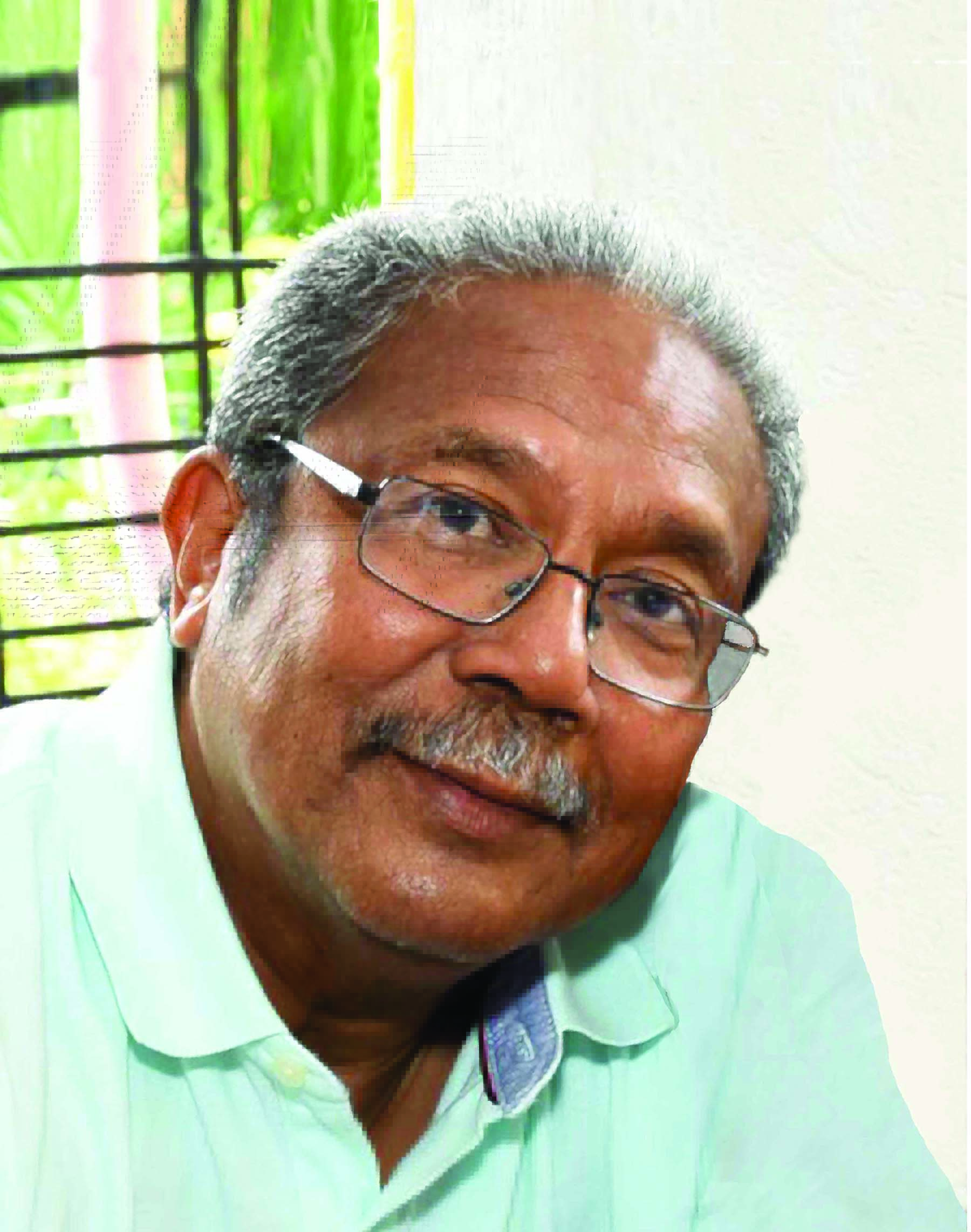
In order to provide an insight into the persona that is Alwin Chow, we share with you some comments made by some of his acquaintances, co-workers and relatives over the years:
> Within the media industry, Chow was in every sense a game-changer and a leader in restless pursuit of big ideas.
> My career was nurtured by Alwin Chow who was gifted by what the Harvard professors called linguistic intelligence.
> What also made him an excellent boss was his ability to communicate a clear vision and provide the guidance and resources required to achieve it.
> He was always passionate about serving his country and asked for nothing in return but good governance,
Alwin ‘JoJo’ Chow was born on December 26, 1948, in the rural village of Matelot. He attended St Mary’s College from 1959 to 1965 where he excelled in Mathematics. He joined the accounting firm Pannell Fitzpatrick and distinguished himself by obtaining first place in the world in his final accounting exam. He became a partner at Pannell and also worked at Arthur Andersen in Chicago.
He was appointed an independent senator in the Parliament of Trinidad and Tobago and served between 1981 and 1986, making contributions to several pieces of legislation to which he was able to bring to bear his professional accounting experience.
In 1989, Chow transitioned from the accounting profession to become managing director of the Trinidad Broadcasting Company (which operated several radio stations) and the Trinidad Publishing Company which published the Guardian newspaper, both subsidiaries of the ANSA McAL Group. Much of his time there was spent in introducing information technology to the newspaper’s editing and publishing processes which he approached with his characteristic vigour. In a few short years, Chow had laid the foundations for the transformation of newspaper production in Trinidad and Tobago. Apart from the use of technology, Chow also significantly influenced the newspaper’s content, incorporating Hindu culture and a colourful Carnival magazine.
Many people assert their belief in this or that principle. That belief may never be really tested during the course of a career or a lifetime. It is when that belief is challenged that we can know for sure that it is something we hold dear and truly believe in. When it is tested by powerful forces that have the capacity to inflict real harm, then we really know where we stand and whether or not we have the courage of our convictions. This was the situation in which Alwin Chow found himself.
It was in 1996 after a new government had come to power in Trinidad and Tobago that Alwin Chow was tested. Press freedom was challenged, and the Guardian came under direct attack by the new administration following a front-page headline which was interpreted negatively as political bias. There was a demand for the resignation of the newspaper’s editor in chief. Alwin Chow resisted the demand which had been channelled through the newspaper’s owners, and he defended his editors and journalists. Eventually, Chow himself was fired, opening the door to the resignation of the editor-in-chief and several other editors and journalists, precipitating one of the seminal moments in the history of the media in Trinidad and Tobago. Chow and the departing editors attempted to found an independent newspaper which was eventually acquired. Alwin Chow subsequently utilised his considerable business skills in the housing industry.
Alwin Chow, FCCA, MBA, embodied the essence of transformative leadership. A distinguished strategist, media pioneer, and public servant, he made indelible marks across journalism, finance, and governance. However, his most enduring legacy may well be his revolutionary impact on the construction industry in Trinidad and Tobago.
For his courage in support of freedom of the press and his contributions to public service, Alwin Chow is hereby inducted into the St Mary’s College Hall of Fame.
Dr. Emanuel Hosein, C.M.
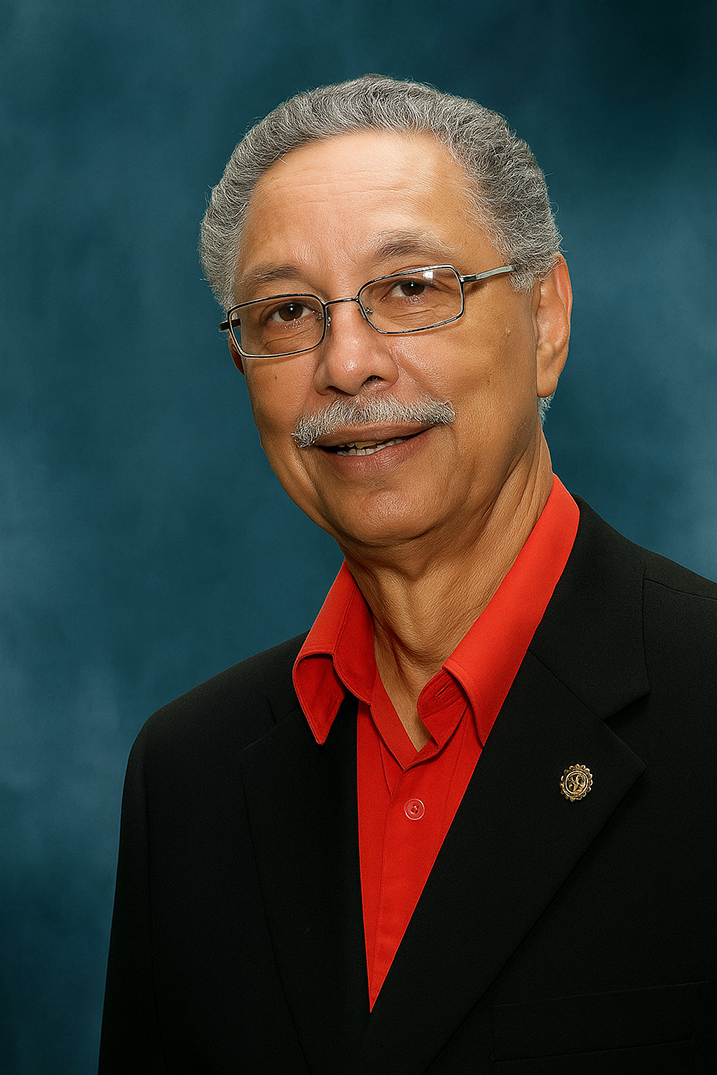
Dr. Emanuel Hosein was born in 1949 in Tunapuna, Trinidad. At the age of eight, he contracted poliomyelitis which left him completely paralysed. He spent six months at the Port of Spain General Hospital undergoing multiple surgeries, followed by a year of intensive rehabilitation and further procedures at the Princess Elizabeth Home. These early challenges would instil a remarkable resilience that defined the course of his life.
He attended Tunapuna Hindu Primary School and passed the Common Entrance Examination, earning a place at St Mary’s College. From 1962 to 1969, he distinguished himself at CIC, excelling academically and embracing the discipline, leadership, and commitment to service that would shape his future career. He obtained his medical degrees at the University of the West Indies (UWI), Mona, Jamaica, where he was the first non-Jamaican and first medical student to be elected President of the Guild of Undergraduate Students. He also captained the UWI Men’s Table Tennis Team and coached the Jamaican Paraplegic Team.
Dr. Hosein returned to Trinidad in the mid-1970s, completed his internship, and served as a house officer at the Port of Spain General Hospital, where he was elected to the hospital’s Board of Representatives. He later became Company Doctor for Caroni (1975) Ltd., before moving into public service through politics.
In 1981, he was elected Member of Parliament for Naparima and later served as MP for Tunapuna under the National Alliance for Reconstruction (NAR) government from 1986 to 1991. During this time, he held several cabinet portfolios, including Minister of Health, Minister of Welfare and Women’s Affairs, and Minister of Social Development. He was instrumental in championing major legislative and institutional reforms, including the introduction of the Domestic Violence Bill and the revitalisation of the Eric Williams Medical Sciences Complex (EWMSC).
As Minister of Health, Dr. Hosein led the transformation of the Mt. Hope facility from a symbolic structure into a fully operational national hub for medical care and training. He secured essential funding from the Inter-American Development Bank (IDB), oversaw staffing and infrastructure development, and implemented policy frameworks to integrate Mt. Hope into the national health system. He was also a key proponent of primary care and preventative medicine, helping to shape long-term health care policy in Trinidad and Tobago.
One of Dr. Hosein’s most widely remembered moments of service came during the 1990 attempted coup. While held hostage in the Red House, he remained calm and compassionate, even under threat, treating both fellow hostages and captors with humanity. He was credited with helping to save lives, including that of the Prime Minister, by advocating for urgently needed medical attention during the siege.
Throughout his political career, Dr. Hosein remained a strong advocate for society’s most vulnerable. He played a lead role in the drafting and passage of the Domestic Violence Act of 1991, the first of its kind in the Caribbean. As Minister of Social Development, he described the legislation as a “first phase of social reform,” aimed at protecting women, children, and marginalized individuals. This groundbreaking legislation established mechanisms such as protection orders and laid the foundation for future policy advancements in the fight against gender-based violence.
After retiring from politics in 1992, Dr. Hosein was appointed to the United Nations Secretary-General’s Panel of Experts on Disabilities, where he served as Chairman of the UN Secretary General’s Council on Disability during the ten-year review of the UN World Programme of Action on Disability. Upon returning to national service, he was appointed District Medical Officer (DMO) for the St. George East district, a position he held until 2009. He also served for over a decade as Prisons Medical Officer.
Dr. Hosein remained deeply active in civil society. He was the founding Chair of the Trinidad and Tobago Chapter of Disabled Peoples’ International (TTDPI) and led advocacy efforts focused on accessibility, legal rights, and public awareness of disability issues. Under his leadership, TTDPI influenced national disability policy and positioned Trinidad and Tobago as a regional voice in international disability rights forums.
He was also a Charter Member of the Rotary Club of St. Augustine West, serving as President in 1999 and later as an Honorary Member in 2019. He spearheaded several community-based initiatives, including wheelchair assistance programs and outreach to underserved families.
In recognition of his decades of service, particularly in healthcare, disability advocacy, and community development, Dr. Hosein was awarded the Chaconia Medal (Gold) in 2021 acknowledging his lifelong contributions to building a more inclusive and compassionate society.
Even in retirement, and despite battling a terminal illness, Dr. Hosein continued to serve. In the final year of his life, he offered free medical consultations to all who sought his help, often accepting no payment, and sometimes only a gesture of gratitude. For him, medicine was not just a profession; it was a calling rooted in empathy and justice.
For his courage, public service, and an unwavering commitment to human dignity Dr. Emanuel Hosein is hereby inducted into the St Mary’s College Hall of Fame.
Dr. Lennox Pierre
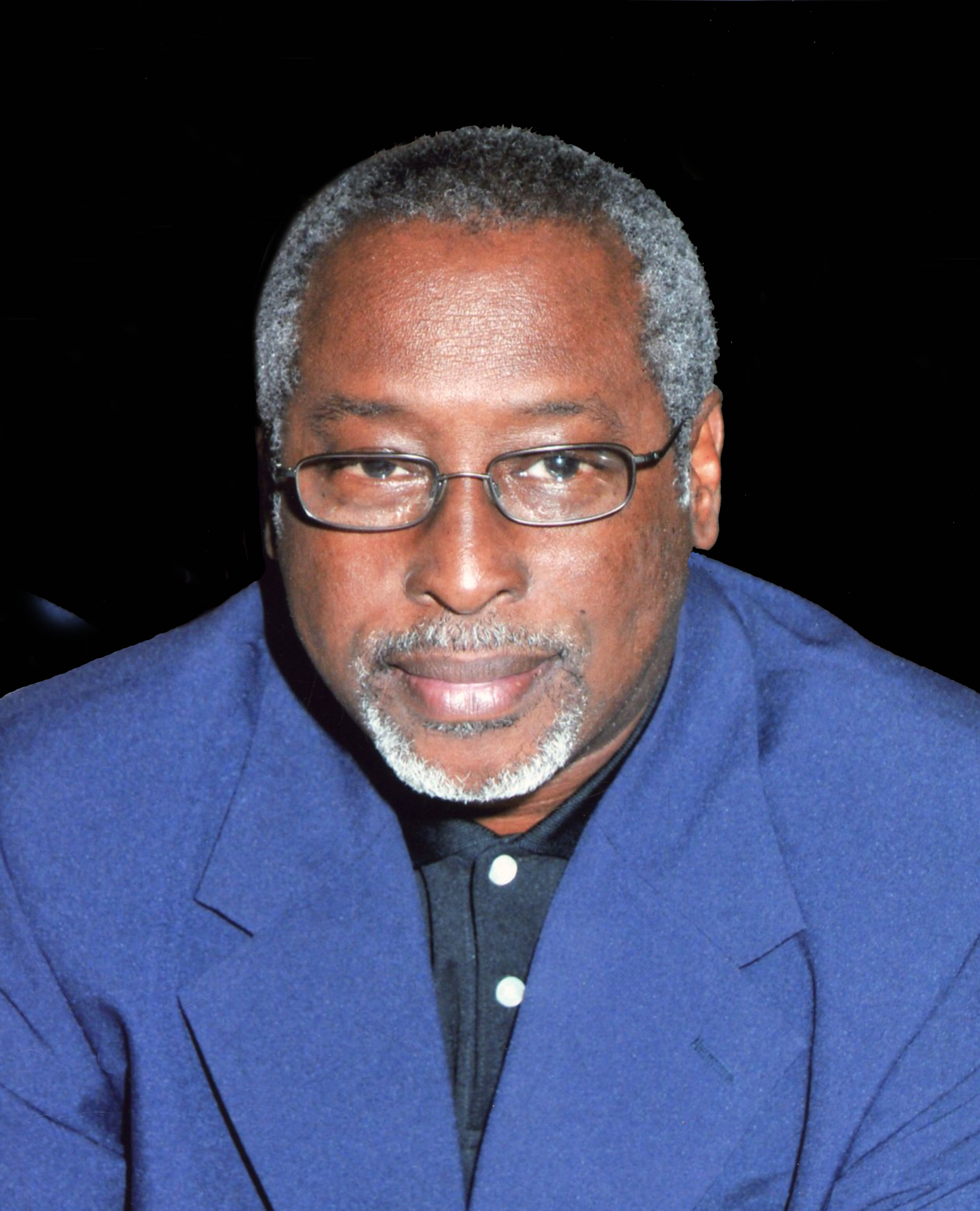
Dr. Lennox Pierre was born in Arima on July 3rd, 1946. He attended primary schools in Arima before winning a college exhibition to attend St. Mary’s College from 1958 to 1963. He obtained his MBBS in 1973 from UWI Mona and worked as an Intern and House Officer at the Port of Spain General Hospital from 1973 to 1975. He completed his specialist qualifications in Internal Medicine (FRCP Canada) in 1979 and worked as a Registrar in Port of Spain before moving to the Sangre Grande Hospital in 1981. Lennox was promoted to Consultant/Specialist Medical Officer in 1985 and a mere five (5) years later, was entrusted with the position of Hospital Medical Director of the Sangre Grande Hospital.
The job of Hospital Medical Director required not only carrying out his clinical duties as an Internal Medicine consultant, but also ensuring that all the medical services at the hospital – medical, surgical, pharmacy, pathology – were established and operating at a sufficiently high standard to ensure that patients received the highest possible standard of care and that clinical outcomes were consistent with national and international standards. In a rural area, the demands of a hospital providing secondary care are greater, precisely because of the weaknesses of the primary care facilities and the limited range of even the secondary care specialties. Moreover, rural hospitals like Sangre Grande did not attract the quality of staff nor the resources to provide consistent high-quality care. Pierre realized that merely ‘coasting’ on the job was not an option. That kind of attitude and approach was not in his makeup. As a young doctor at Port of Spain General Hospital in the 1970s, he had been involved in the struggle to improve the pay and conditions of junior doctors.
In the position of Hospital Medical Director, he knew that there were two areas in which he could make a difference. First, he could work with the medical professionals across all disciplines to raise the standard of care. Second, he could advocate with the bureaucrats in the ministry for more and better staff and resources for his hospital. Pierre adopted a three-pronged approach to improving clinical skills and care: (1) he emphasized training of staff, both medical and administrative; (2) he fostered a working environment which encouraged staff to develop a sense of caring, responsibility, pride, and accountability, putting the needs of the patient first; (3) he instituted guidelines, policies and procedures for all staff, and insisted these be followed.
The results followed. The Sangre Grande Hospital developed a reputation for quality health care delivery and was often cited as being the best hospital in Trinidad and Tobago.
2002: The first hospital in Trinidad and Tobago to be awarded UNICEF Baby Friendly status, capably steered by Dr. Adesh Sirjusingh
2003: The Sangre Grande Hospital won a national award for Quality Health Care
2005: Pharmacists participated in training and certification in Clinical Toxicology at UWI
2005: Hospital Pharmacy won the national team award for quality service – led by Pharmacist, Angie Lochan - developed a Pharmacy Manual reflecting Standard Operating Procedures and protocols including protocols for overdose of poisonous substances, bleach, pesticides, snake bites etc.
2006: The Hospital Pharmacy developed an ERHA Poisoning Information Centre (ERHA PIC) accessible nationally and won the Ministry of Health award for the best innovative project and the shortest waiting time.
Having retired from the public service in 2006, Lennox Pierre has not allowed his clinical skills and experience nor his considerable administrative skills to atrophy. Having acquired a Law degree and Legal Education Certificate (LEC) from the Hugh Wooding Law School in 2002, he also brought his medico-legal knowledge and experience to bear. Some of his contributions beyond the hospital setting include:
• Expert witness in civil litigation of medico-legal and medical negligence cases
• Participant in Health Sector reform in Trinidad and Tobago
• Member of a Consultancy team to advise on Health Sector Reform Programme in St. Lucia
• Member of a Task Force to assess the organizational structure for the Regional Health Authority
• Director of National Hospital Management Company which managed the provision of pharmaceutical, laboratory and bio-medical services, security and engineering services for hospitals in Trinidad and Tobago
• Chairman of the sub-committee for the management of C40 or Central Stores
• Member of the Council for Medical Board 1994
• Member of the Royal College of Physicians and Surgeons – Canada
• Member of the Trinidad and Tobago Medical Association
• Member of the Medical Executive Team for the Public Services Association 1973 – 1975 which through successful negotiation secured improved working conditions for all doctors including: higher salaries for doctors; overtime payment for all doctors including community doctors who previously did not receive such; specified conditions for promotion; negotiated for a change in practice for Registrars and Consultants to attend night shift duties as required.
Lennox Pierre also provides medical services pro bono to individual patients and has served pro bono as medical doctor for the Arima United Football team.
For his excellence in providing high quality medical care to the people of the rural communities in east Trinidad and his skill and dedication as a medical doctor, Dr. Lennox Anthony Pierre is hereby inducted into the St Mary’s College Hall of Fame.
Mr. Mark Loquan, O.R.T.T.
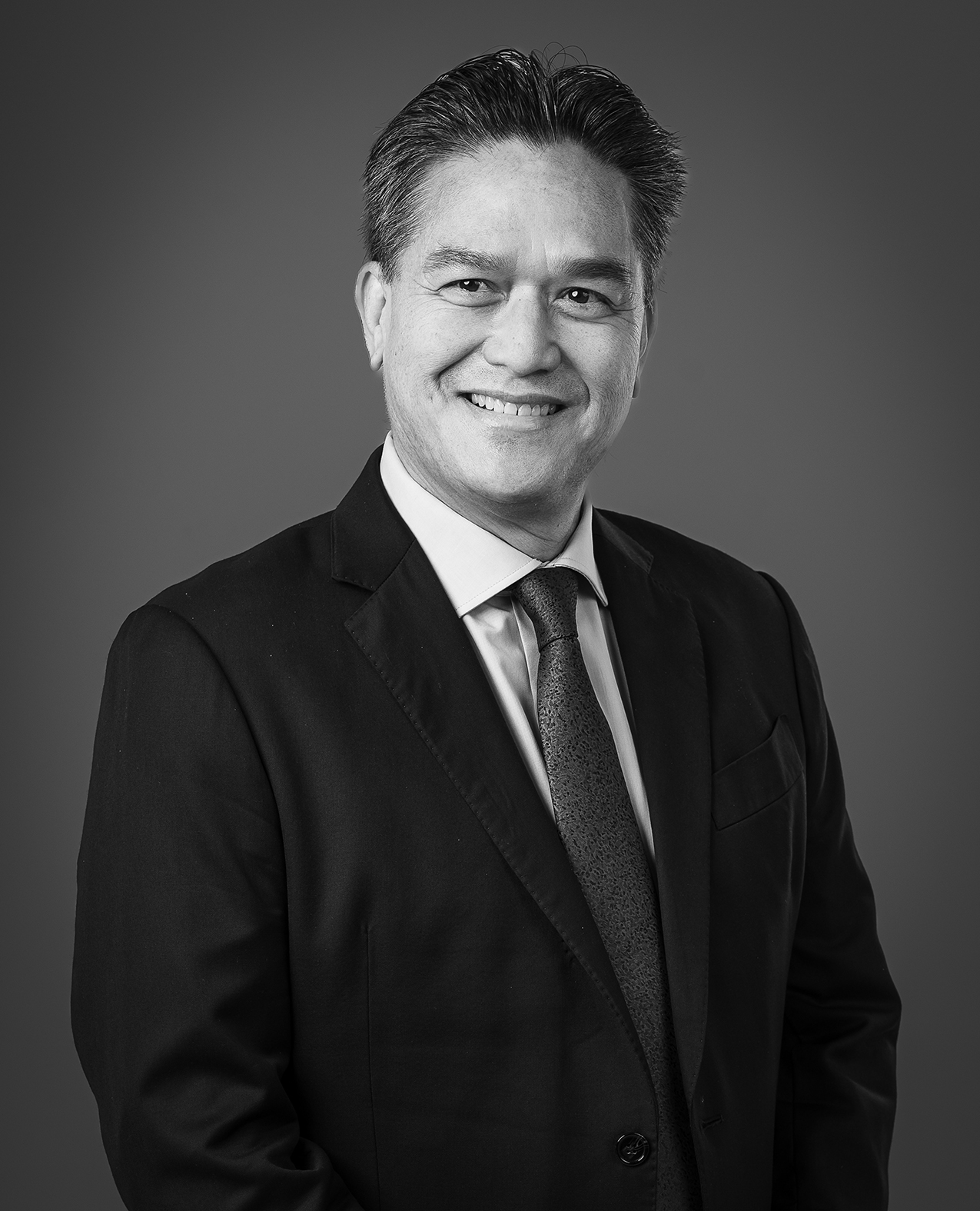
Mark Loquan was born on October 13th, 1960, and attended St Mary’s College from 1972 to 1979. After graduating from St Mary’s, he pursued a degree in Chemical Engineering at UWI and followed that with an MBA from Duke University. He then went to work in the downstream petrochemicals industry, rising to become the first local president of the Norwegian company Hydro-Agri (later known as Yara Trinidad). His work for that multinational company took him to Australia, Africa, and Europe. As one of the executives of the companies on the Point Lisas estate, he was engaged in ensuring the highest standards of safety across all the plants operating on the estate.
However, Loquan’s major contribution to the energy sector of Trinidad and Tobago was to come later when he was appointed CEO of the National Gas Company in 2016. The circumstances of the energy sector had changed markedly. Natural gas production was declining, long-term gas contracts were expiring, and the Paris Climate agreement required countries to pay attention to carbon emissions in the service of environmental protection and for remedial action to be taken. Loquan saw the need to move the local energy sector toward sustainability and to secure cross-border gas supplies to reverse declining production levels. As CEO of National Energy, he assumed a leadership position advocating for change. He did this through his work and influence on the board of the Energy Chamber and the Point Lisas Energy Association (PLEA) as well as his contributions to the annual energy conference. He guided the NGC through the difficult period of gas curtailment and renegotiation of gas supply contracts and was instrumental in the restructuring of Atlantic LNG to secure greater participation for NGC.
During this time, Mark also played a leading role in getting the entire industry, (upstream and downstream), to develop and accept one uniform health and safety prequalification requirement. That became the award-winning ‘Safe to Work’ programme known as STOW. His ability to bring stakeholders together and to encourage them to work cooperatively for the greater good of the overall industry was important to the success of these initiatives.
While Mark was outside of Trinidad & Tobago, working in Angola and across sub-Saharan Africa and then in Australia, he maintained a close relationship with the industry in Trinidad & Tobago. He contributed to the Africa Energy Initiative which sought to create opportunities for Trinidadian service exports and investments in Africa. Working in partnership with the Energy Chamber, he helped foster relationships between Trinidadian service companies and potential partners in Africa and in this regard, he organised a visit to Trinidad from a group of Angolan service companies.
Mark was appointed as a Director of the Energy Chamber shortly after he returned to Trinidad & Tobago and played an important role in driving forward initiatives to transform the industry.
Even while he pursued initiatives around safety, sustainability and supply in the energy sector, Loquan’s involvement in the arts and culture never wavered. He had learnt to play the pan in the 1990s and performed at Pan is Beautiful IX in 1998. He started to produce pan music in 2000, beginning two decades of collaboration with some of the top calypsonians and writing pan pieces for the annual Panorama competition, thirty-four of which have been performed on the Panorama stage.
Mark Loquan believed that for the steelpan to fulfill its potential, it was critical for pannists to become musically literate. He founded the Music Literacy Trust in 2004 to document the arrangements produced for the Panorama competition and to teach young people to read music and provide scholarships for their further music education. In 2021 he founded PanNotation, a website platform for preservation, education and securing the future of the steelpan industry. Mark also produced four well received documentaries on the steelpan. Such was his commitment to pan music that during the periods when he worked abroad in Australia and Norway, he found ways to take the steelpan to those countries. Apart from numerous awards for his musical compositions, in 2024, Mark Loquan was awarded this country’s highest honour, The Order of the Republic of Trinidad and Tobago.
For his significant contributions to the development of the energy sector and for his great impact on the advancement of the steelpan artform, Mark Loquan is hereby inducted into the St Mary’s College Hall of Fame.
Mr. Martin Daly, S.C.
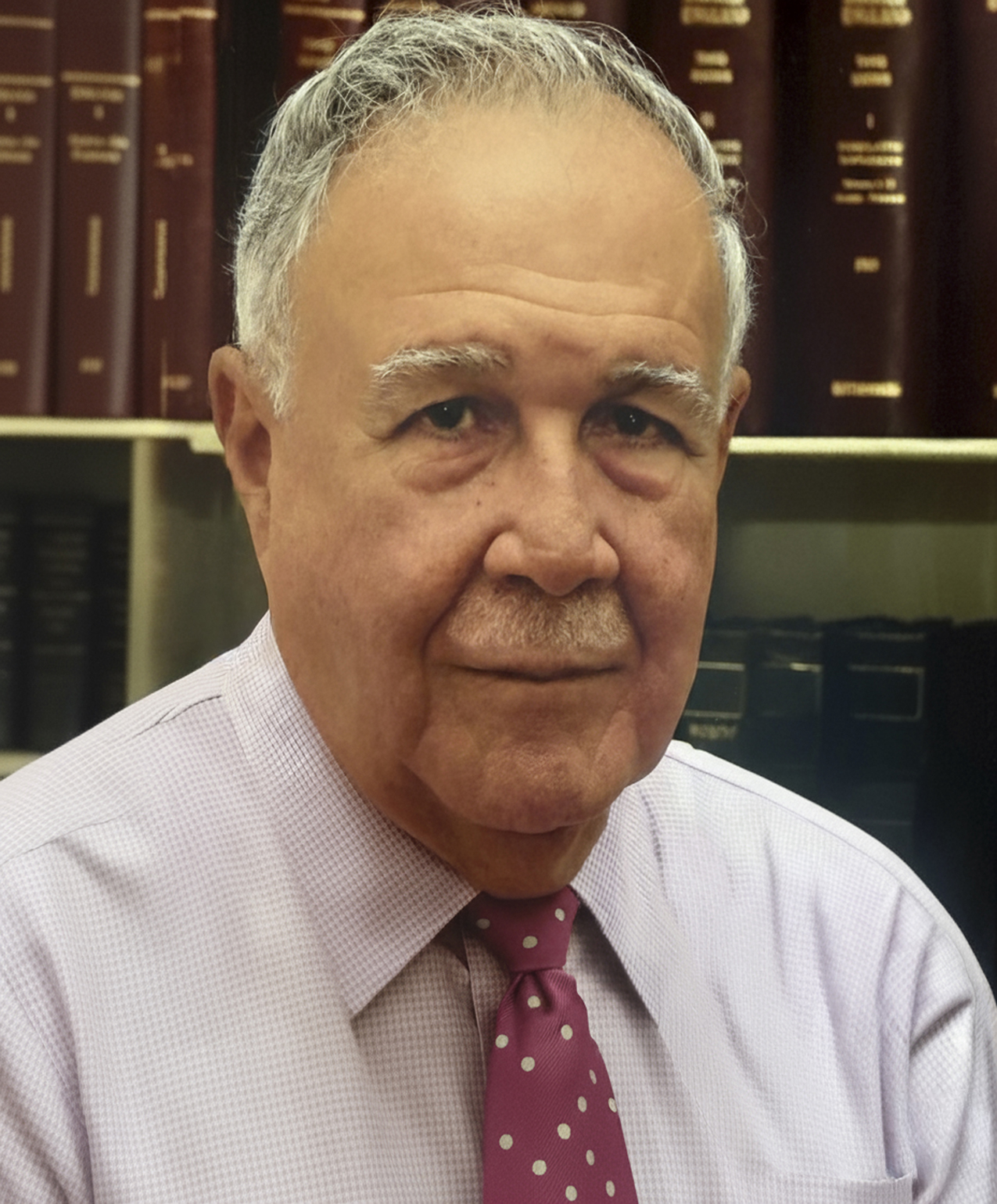
Martin Daly was born in Newtown, Port of Spain on September 28th, 1944. He had a distinguished academic career at CIC. His time there between 1957 and 1963 was not limited to passing exams but included participation in the artistic and cultural life of the College as an actor and a debater. In fact, Martin placed first in the Independence Schools Debating Competition.
From St Mary’s College, he proceeded to England where he graduated from the London School of Economics (LSE) and qualified as a barrister (Gray’s Inn) in 1967 before returning to Trinidad and Tobago in 1969 to practice Law. His rise in the legal profession was meteoric, being admitted to the ‘inner bar’ (Senior Counsel) in 1979 at just 35 years old, the youngest such appointment in the Caribbean!
As a lawyer, he practiced in the areas of Public Law, Commercial and Civil Law, and Labour and Industrial Relations Law. He was involved in several landmark cases including Endell Thomas v Attorney General, Crane v Rees- Court of Appeal stage- C.A.No.59 of 1991, Thomas and Hilaire v Baptiste [1999] UKPC13, Sam Maharaj v The Cabinet [2016] UKPC 37, Fishermen and Friends of the Sea v The Environmental Management Authority [2005] UK PC32, The Royal Bank Trust Company (Trinidad) Limited v Pampellonne [1987] 1 Lloyds Rep 218- Privy Council, Torquay Hotels v Cousins [1969] 2 Ch 106 (CA), Transport & Industrial Workers Union (TIWU) v Tractors and Machinery Trinidad Limited- Industrial Court C7 of 1975 and Thema Williams v. Trinidad and Tobago Gymnastics Federation and Ors. Martin Daly has also arbitrated several matters involving the telecommunications industry.
Martin Daly, together with Michael de la Bastide and Fyard Hosein, was involved in the negotiations for an amnesty with the Muslimeen during the 1990 attempted coup. The lawyers attempted to use their legal skills to bring the siege to an end while preserving the options for subsequent legal action.
Between 1992 and 2001 he served as an independent Senator making meaningful contributions to significant pieces of legislation and serving on several committees including the Joint Select Committees on the Constitution Amendment Bill re the Police Service Commission (1994), the Companies Act and the Securities Industry Act (1995) and the parliamentary committee on the regulation of the tourism industry (1997).
Daly served as President of the Law Association from 2008 to 2010 and was a member of the Regional Judicial and Legal Services Commission between 2010 and2016. The RJLSC is responsible for the selection of judges to the Caribbean Court of Justice.
He has served as a board director of several public listed companies in Trinidad and Tobago including Trinidad Publishing Company, Angostura, Flavorite Limited, RBTT Financial Holdings, where he served as the chairman of its Corporate Governance Committee, and RBC Financial (Caribbean) Limited.
Beginning in 2002 and continuing to date, Martin Daly has written a weekly column in the Sunday Express. He is forthright in articulating his opinions and does not shrink from telling the truth as he sees it. These columns deal mainly with political and social issues of the day, legislation, legal cases and steelpan music. Spanning 23 years, these opinion pieces have not only chronicled the issues of the day but have contributed immeasurably to the vibrancy of intellectual life and discourse in Trinidad and Tobago.
Martin Daly has made an immense contribution to legal practice, legislation, culture and the arts, especially the steelband, and generally to the quality of the nation’s intellectual life. In doing so, he has consistently displayed adherence to principle, to good governance, and to truth.
For his impactful contributions to Law and Justice, public service, and the intellectual life of the nation, Martin Daly is hereby inducted to the St Mary’s College Hall of Fame.
Dr. Richard Clerk, H.B.M.
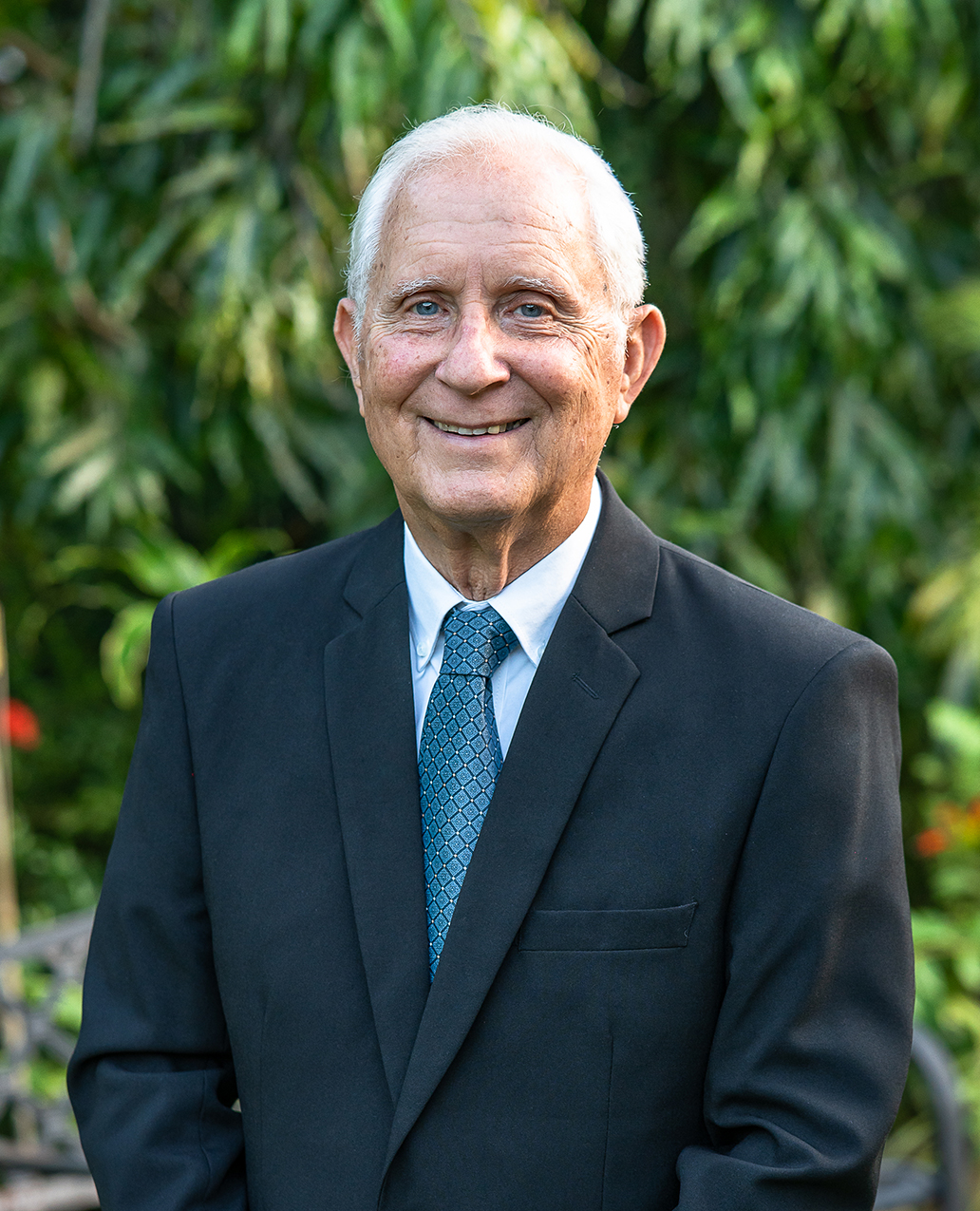
Dr. Richard Clerk is probably best known for his enduring and selfless work with the Living Water Community (LWC). For fifty years, Richard dedicated his life, through his medical career, to being a true missionary disciple. Forty-one of these, he spent as the Chief Medical Officer for the Living Water Hospice (LWH), one of the many social ministries of LWC -which is an ecclesial community operating within the Roman Catholic Archdiocese of Port of Spain, Trinidad since 1975.
From the very early days of the LWC, he conducted a weekly medical clinic for the homeless at the community's center at #109 Frederick Street, Port of Spain. These services extended to Ave Maria House Caring Center for the poor and destitute, located in the heart of the capital.
A true 'angel of compassion' to many desolate and sometimes despondent souls, Richard became associated with the LWH from its inception in 1983 and together with the other directors of the LWC, endeavoured to ensure that the highest quality of service was afforded to all patients, regardless of their ability to pay. Richard also oversaw the continuous improvement of the facility and the training of the attending staff and was astute to make certain that on-call doctors were available in his less than frequent absences. While maintaining his own private practice, he was in attendance to patients at the Hospice daily, more than once per day. You can still hear his name echoing through the halls of the hospice.
In his own private practice, he has been known to offer his medical services without charge to people who under normal circumstances would not be able to afford visits to a private doctor. This service also extends to many refugees and asylum seekers who have reached out to him. And, to date, he remains one of very few doctors who would make house calls, and many free of charge.
The narrative of Richard's personal life also speaks to that of a humble human being. He met his wife, Patricia, in Jamaica and in good stead they became a family of five (5). Throughout their marriage, he has been a faithful husband, father and grandfather tending to the needs of his family. When his parents, who had migrated from Trinidad, moved back home in their later years, he cared for them until their passing. He is an active covenant member of LWC and a disciple of Our Lord Jesus Christ with a deep devotion to His Mother, Our Blessed Lady, through his love for humankind.
Richard's life has always demonstrated his deep calling from God to serve the broken body of Jesus. He can only be described as dedicated, self-effacing and unwavering in his manner. His compassionate demeanour endears many a person to him.
Dr. Richard Clerk has touched countless lives. His own life of selfless, compassionate dedication to the poor, the destitute and the terminally ill, exemplifies what it means to be a missionary disciple, and what it means to be a caring citizen of our nation.
For his selfless work over several decades as a physician in caring for the poor and the terminally ill, Dr. Richard Clerk is hereby inducted into the St Mary’s College Hall of Fame.
Mr. Robert Bermudez
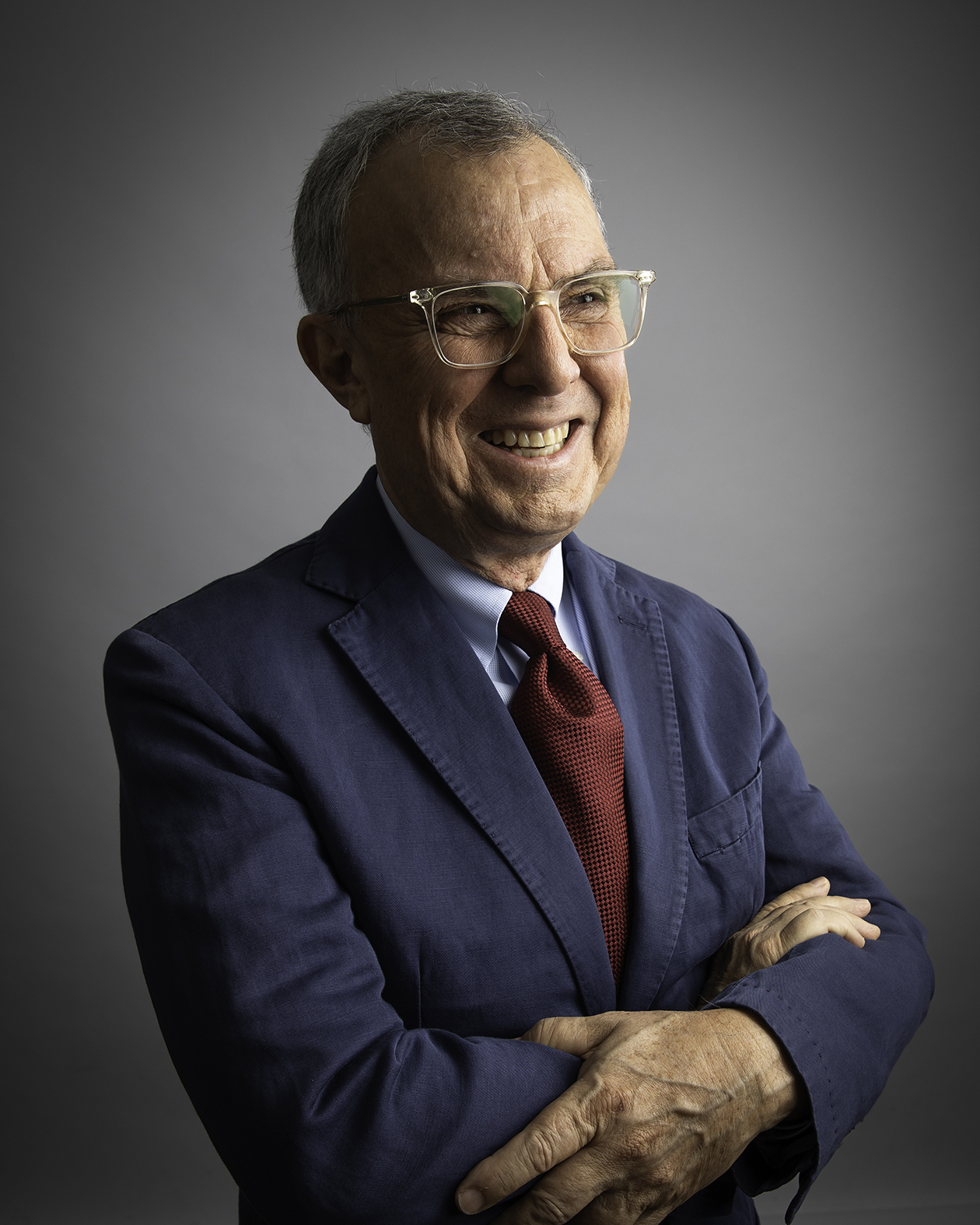
Robert Bermudez was born in Port of Spain on April 21st, 1953, a grandson of the Bermudez brothers who had immigrated to Trinidad and Tobago from neighboring Venezuela at the end of the 19th century. He attended St Mary’s College from 1964 to 1969 where by his own admission, he distinguished himself, neither in the classroom nor on the sports field. After attending high school, he returned to the family business in 1973 and soon thereafter assumed control of its destiny.
Robert’s indifferent academic performance at secondary school proved to be no predictor of his business acumen. He embraced and leveraged the Crix brand. This was sustenance for the poor and the middle class, their ‘vital supplies’ that could be combined satisfactorily with just about anything that was available – cheese, sardines, zaboca, anything. The packaging of Crix and the other biscuit and snack food products may have evolved from the biscuit tins of his father’s and grandfather’s days, but they retained their connection with the population as a locally produced staple. The biscuit tin itself had come to be utilised in the percussive music of the Carnival season, further cementing the connection with the people and their culture. Bermudez and Crix were intrinsically part of the culture. Like the steelpan, like doubles, like the Jamaican patty, Crix is quintessentially creole, made from some foreign inputs, but uniquely Trinidadian and West Indian.
Under Robert’s astute leadership, the Bermudez company grew and expanded into the Caribbean region and then into Central America, building a portfolio of creole biscuit and snack food brands which competed successfully against foreign brands.
A quiet, unassuming man, Robert’s business acumen was not lost on others. He served as a director of several listed companies including ANSA McAL Ltd., Guardian Media Ltd., Sagicor Life, Inc., Caribbean Development Co. Ltd., and RBC Financial (Caribbean) Ltd. He served as a director of Neal and Massy (later Massy Holdings) for 26 years, the last 9 years of which he was its chairman. During his tenure as chairman of Massy, one of the region’s largest conglomerates, the company set about transforming itself from a conglomerate in multiple lines of business to a company focused on excelling in a few well-defined areas.
Robert Bermudez also responded to the call to public service, serving as chairman of the Tourism Development Company, President of the Trinidad and Tobago Manufacturers Association, and later on as Chancellor of the University of the West Indies. This last, from 2017 to 2024, was the first time a businessman had been appointed to the highest office in the regional university and the first time this high office was entrusted to someone whose academic credentials were not necessarily outstanding, but whose practical wisdom and accomplishments had marked an exceptional career in regional business.
For his work in building a West Indian ‘creole’ business that has excelled in competition with global brands and which has become synonymous with Caribbean thrift, resilience and excellence, Robert Bermudez is hereby inducted into the St Mary’s College Hall of Fame.